
Citric Acid
What Is It and Why Is It in Our Food?
Citric acid comes up often in my writing. In this piece, I explain why I think it's best to avoid it.
Citric acid is one of the most widely used preservatives in prepared foods — if not the most. Though its use is allowed, the fact that it appears in countless products, and how it's made, deserves a closer look. Even those who carefully read labels and try to avoid harmful food additives overlook it. So, let's take a closer look at what this widely used food preservative is.
Citric acid: it sounds like a natural ingredient — it's lemon juice, right? Natural citric acid does come from citrus fruit, but the citric acid I'm referring to is manufactured citric acid, or MCA. MCA is highly concentrated compared to lemon juice, making it an efficient solution for food manufacturers, but it comes at a cost to the consumer.
Here are some facts about manufactured citric acid according to the National Library of Medicine's Center for Biotechnology:
Citric acid as a food additive is not natural citric acid; it is manufactured through fermentation using Aspergillus niger — a black mold.
- Aspergillus niger is a potent allergen.
- Manufactured citric acid may be contributing to the inflammation seen in asthma, juvenile idiopathic arthritis, autistic spectrum disorder, and fibromyalgia.
- Aspergillus niger is classified as Generally Recognized as Safe (GRAS) by the U.S. Food and Drug Administration for use in food production, although the microbe is capable of producing toxins that affect human health.
Although the FDA has studied many food additives to ensure that they are within acceptable safety parameters, certain ones were granted GRAS status due to lack of demonstrated harm over a history of prior use. MCA has been placed in this category and did not undergo a formal FDA evaluation. As a result, the safety of manufactured citric acid has not been thoroughly evaluated since it was granted GRAS status.
Why it's in Your Food
Manufactured citric acid is used to control pH to make foods more acidic. This helps extend shelf life and prevent the growth of harmful bacteria. You will find MCA — labeled simply as "citric acid"— in jams, yogurt, soft drinks, hummus, bouillon cubes, meat products, pasta sauce, salsa, cheese, bread, canned tomatoes, canned sauces, salad dressings, marinades, boxed cereals, chips, breadcrumbs, croutons, chicken nuggets, organic frozen pizza … and the list goes on. It's nearly everywhere. In fact, many packaged food products simply would not exist without citric acid [MCA]. (I will continue to use the term "citric acid," as this is the name commonly seen on food labels).
What's the Problem?
Citric acid isn't "real" food; it's a chemical made from black mold. And while the FDA permits its use, that doesn't automatically mean it's good for us. The FDA allows the use of more than 10,000 additives and preservatives in commercially processed food. While these ingredients have been approved, some research suggests they can trigger health issues like allergies and attention deficit hyperactivity disorder (ADHD) and may contribute to long-term health problems such as diabetes and obesity in both adults and children.
Just because an ingredient is approved for use doesn't mean it's good for us. Our bodies are designed to digest whole foods — not chemically altered, food-like substances created by chemists. As Jonathan Wright and Linda Larsen explain in their book Eating Clean for Dummies:
"Your body isn't designed to process and incorporate preservatives, additives, stabilizers, and other artificial ingredients. Because many of these ingredients are fat-soluble, your body stores them in its fat instead of using them for energy or cell repair. Unfortunately, they don't just sit benignly in your body's fat. They can change cell structure and metabolize. Some even become carcinogens, which can, over time, cause cancer".
What's the Cost?
Beyond the health concerns, citric acid doesn't taste good or feel good in our bodies. During my time developing a line of French foods for American grocery stores, I discovered that even minute amounts of manufactured citric acid alter a food's flavor — leaving a bitter, unpleasant aftertaste.
To mask this bitterness, manufacturers typically add sugar, salt, and other flavor enhancers. Depending on the quantity and quality of these additives, this can introduce yet another layer of mediocre — and potentially harmful — ingredients. We also know that salt and sugar are addictive and leave us craving more — and eating more than we need. The appeal of many processed foods may have less to do with natural flavor and more to do with the craving triggered by these additives, encouraging us to eat more than we intend.
Moreover, as mentioned earlier, our bodies aren't designed to digest these chemicals easily. Citric acid and its chemical companions can cause bloating and digestive issues and contribute to health problems and weight gain. Yet because of the widespread use of citric acid (and other chemicals), many people have grown accustomed to a diet heavy in salt, sugar, and digestive discomfort.
You can test this yourself: cut back on citric acid in your diet for a time, and observe how your body responds.
A Story I've Heard Again and Again
During the pandemic lockdowns, many people started cooking at home more often, using fresh ingredients. Then, when they went out to eat, they reported countless variations of this: "You know that thing you always talk about," they'd say, "where your stomach feels a little off — heavy, unsettled, just not right? It happened as soon as we ate out."
Since citric acid is present in nearly every commercially prepared food — and many restaurants rely heavily on these products — it's easy to unknowingly order a plate full of citric acid. But once you know what to look for and begin eliminating it, you'll start feeling and noticing that your taste buds and tummy detect it easily.
The Solution
Just be aware that it's nearly everywhere. The goal doesn't have to be to eliminate 100% of citric acid from your diet, but a few small changes can make a big difference!
First, look for brands of your favorite foods that don't use citric acid. Some don't, but you have to look at the labels on:
- Canned tomatoes
- Tomato paste
- Salsa
- Hummus
- Jam
- Sparkling water and flavored beverages
- Broth and bouillon
- Cheese
- Snacks
Small changes can make a big difference.
Swap out some products you use regularly for a fresh alternative — it can be very simple to replace. Some examples are:
- Salad dressing: Make a simple homemade dressing. A vinaigrette takes just three minutes.
- Garlic: In seconds, you can crush fresh garlic yourself.
- Pasta sauce: You don't even need it. There are hundreds of easy Italian pasta dishes you can make in minutes with fresh ingredients.
- Breadcrumbs: Just grate stale bread and freeze it.
- Croutons: Cut stale bread, add olive oil and herbs, and bake. You can freeze those too.
- Marinades: Make simple versions using olive oil, herbs, and spices — or whatever you like!
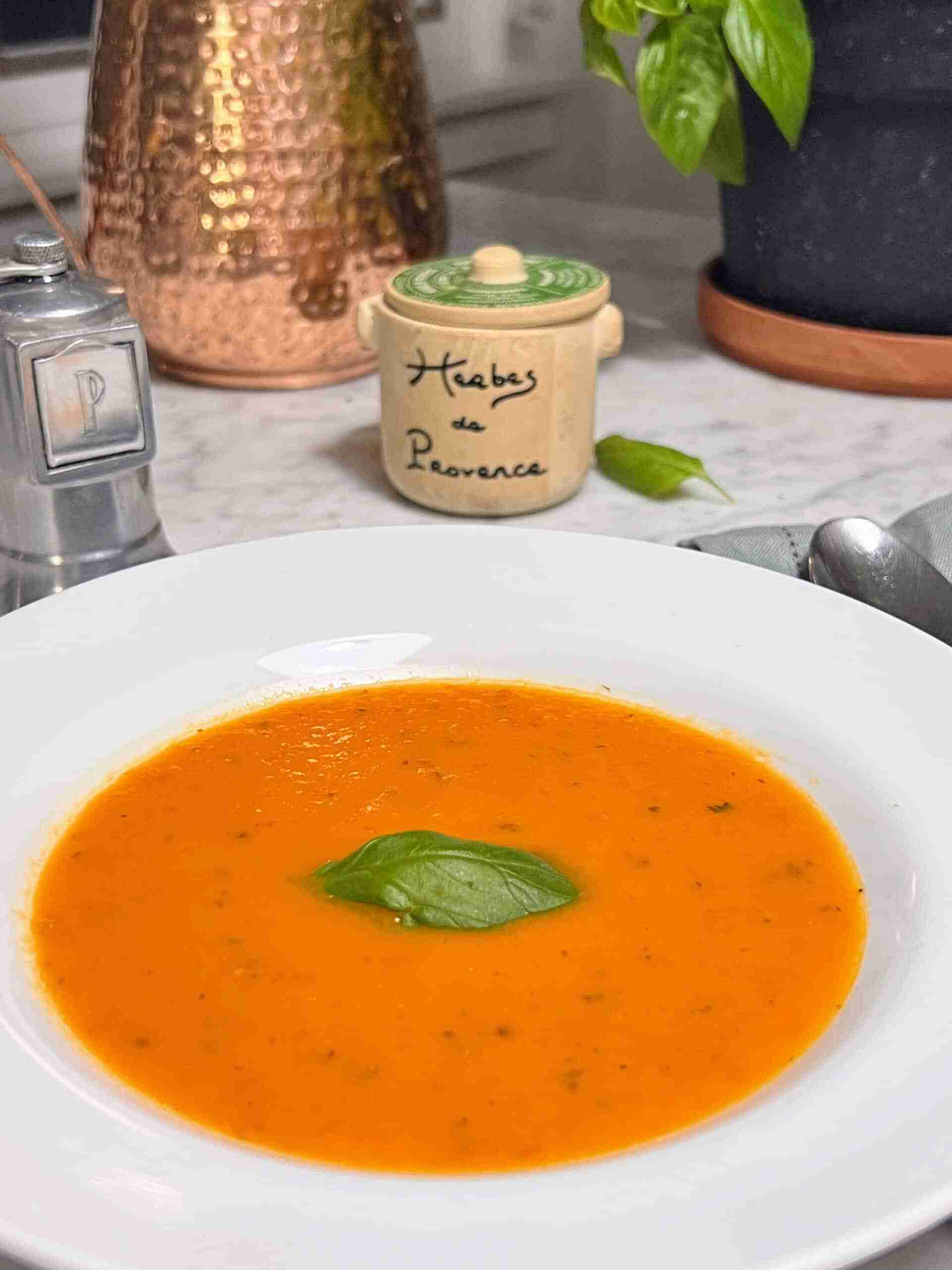
- Soups: Make your own — and yes, freeze some too.
- Frozen meals: Cook in batches and freeze your own dishes to avoid processed frozen options loaded with additives.
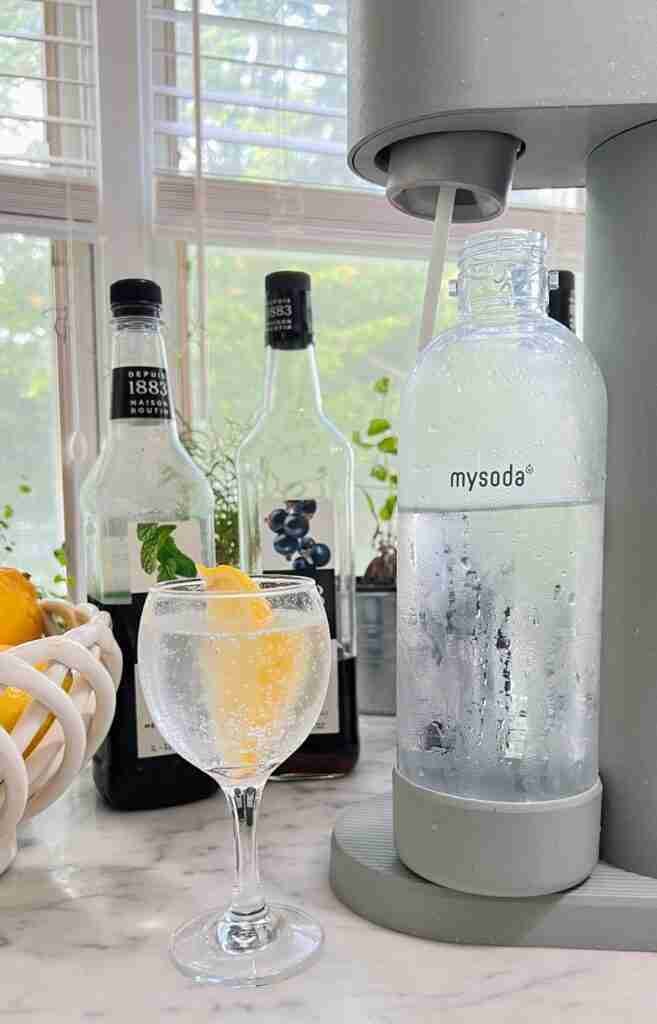
- Sparkling water and beverages: Get a sparkling water maker — it's more economical and you can flavor it too.
For another easy win, try making your own guacamole or pesto and freezing it in convenient portions for later use.
These simple swaps can have a noticeable impact on how your food tastes and feels. Add a few more, and you'll find that even if you can't taste the acid, your stomach will notice — and eventually, you won't want to tolerate it anymore.
If you need more ideas for simple swaps, you can write to me anytime!





Added Citric Acid aka Aspergillus Niger, which is black mould known as MCA is diabolical and causes Migraine with Visual Aura in many people & not just a small percentage of people anymore as Google doesn't collate cases as I have by the thousands and growing daily.
Even Schweppes soda water has MCA,all bottled drinks,chocolate, all tinned foods nearly, cleaning products, anti aging creams, makeup, shampoos, shaving foam, antibiotics, pain meds, cleaning products et cetera.
It should be banned because men, women, young children all have Migraine with aura and medicine doesn't appear to know why. MCA, MSG and many other chemicals are literally making people ill worldwide.
(N.B.) No company that advocates healthy products can make that claim if they use MCA, mould grown on GMO corn and Molasses & given to anyone. Ladies even your lipstick has MCA in it. This was a good article & why I weighed in with a comment.
Thank you so much for sharing this and for taking the time to add your perspective. I really appreciate you reading the article and contributing your thoughts. It is shocking how much citric shows up (I wasn't aware it was in lipstick!) and I agree with all your points. I hope people will become more aware and avoid as many products as possible that contain citric acid. Thank you again for being part of the discussion here.